

Protect Your Child from Lead Exposure
October 02, 2026
 Launch the media gallery 1 player
Lead is a toxic metal that has been used in many types of products for hundreds of years. Children and adults can get lead in their bodies if they are exposed to lead in their environment. Young children are particularly vulnerable to lead exposure, due to their rapid growth and development.
In fact, lead exposure can impact children’s brain development, and can result in behavioral changes such as reduced attention span, increased antisocial behavior, and a higher likelihood of poorer school performance with lower reading and math testing scores. Many of these neurological and behavioral effects of lead are believed to be irreversible.
A child with high blood lead levels may experience headaches, restlessness, anemia, weight loss, hearing loss, learning disabilities, or other symptoms. Lead may affect the development and functioning of almost all of a young child’s body organs.
Where are children exposed to lead? Common sources of lead include:
-
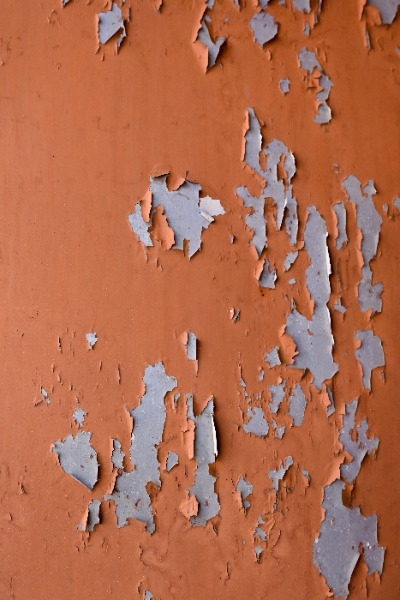
Lead-based paint in older homes, especially homes built before 1978
-
Renovation or repair work that disturbs old paint
-
Contaminated soil and household dust
-
Drinking water from lead pipes or plumbing;
-
Some toys, jewelry, or imported products
Lead can build up in children’s bodies when they breathe dust into their lungs or when they put items contaminated with lead dust into their mouths. Here are a few steps that can help prevent lead exposure:
- Keep it clean: Regularly wet-mop floors and wipe windowsills to reduce dust.
- Wash little hands: Encourage children to wash their hands before eating and after playing outside.
- Keep paint intact: Don't let children play around peeling or damaged paint.
- Renovate safely: If your home was built before 1978, use lead-safe practices when repairing or remodeling.
You might ask: How will I know if my child has high lead levels? Children may not have signs or symptoms of lead poisoning, so it is important to get them tested. Children under 6 years old should be assessed for lead exposure risk at their annual well child visits, and tested at 12 months and again at 24 months, if they have lead exposure risk. If you think your child is at risk or if you are concerned about lead in your home, ask your child's doctor or the health department about blood lead testing. A blood lead test is the best way to know if a child is exposed to lead.
Who should be tested? There are requirements for children participating in the Women, Infant & Children (WIC) and Medicaid programs to be tested. However, parents in ALL of our South Heartland communities, whether or not they are utilizing the WIC and Medicaid programs, should determine whether their child might be at risk of exposure to lead.
Children living in older homes are at higher risk for lead exposure. The Nebraska Department of Health & Human Services (DHHS) recommends that children living in certain zip code areas be tested for lead poisoning at age 12 months and again at 24 months. The South Heartland communities of Hastings (68901), Bladen (68928), Campbell (68932), Clay Center (68933), Fairfield (68938), Hardy (68948), Holstein (68950), Kenesaw (68956), Lawrence (68957), Red Cloud (68970), Superior (68978), and Trumbull (68980) are included in this list of areas where children are more likely to come in contact with lead in their environment.
Parents and guardians can also use a short questionnaire about lead exposure developed by Nebraska DHHS to determine the likelihood of lead exposure to their child:
- Does the child live in or often visit a home built before 1950?
- Does the child live in or often visit a home built before 1978 that has been remodeled or renovated within the last year?
- Does the child have a sibling or playmate with lead poisoning or an elevated blood lead level?
- Does the child live with an adult whose job or hobby involves exposure to lead? (Examples include: metal manufacturing, welding, battery recycling, building repair, renovation, and painting, ammunition production, firing ranges, casting bullets, and making stained glass, pottery and glazing.)
- Does the child’s family use products from other countries that may contain lead? (Examples include: traditional medicines, cosmetics and powders, imported spices, glazed pottery, and imported cookware.)
- Is your child a refugee, migrant, immigrant, foreign adoptee, or in foster care?
If the answer to any of these exposure questions is “yes” or “don’t know”, the child may need a blood lead test. Parents and caregivers should ask their child’s healthcare provider about blood lead testing.
Want to know more about lead and how to protect a child? Ask our staff about our lead poisoning prevention program and whether your home might qualify for a free home lead assessment. Contact the South Heartland District Health Department for more information.
Michele Bever is the executive director for South Heartland District Health Department, serving Adams, Clay, Nuckolls and Webster counties in south central Nebraska. She may be reached at 1-877-238-7595.
##